Nearby: 4313431443154315B4316431743184319
On page BILL MURRAY 20260908_160118
-
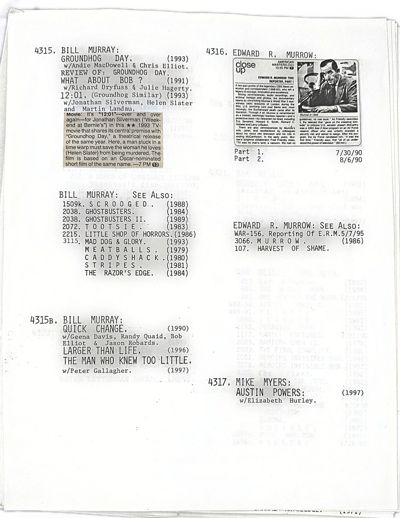
EDWARD R. MURROW: THIS REPORTER, PART 1
close up AMERICAN MASTERS (CC) 10:35 PM 2 A two-part profile of the legendary CBS News executive and correspondent (1908-65), who left a legacy of courage, innovation and excellence. Mixing reminiscences, audio recordings, and archival footage and photos, the documentary opens by chronicling Murrow's World War II eyewitness radio accounts of London during the Blitz, U.S. bombing runs over Berlin and, most movingly, the Buchenwald death camp after its liberation. Through it all, Murrow is remembered as a tireless, seemingly fearless reporter—and a protective boss—by newsmen he hired, including Eric Sevareid, Howard K. Smith, Richard C. Hottelet and Larry LeSueur. There are also reminiscences by Murrow's wife, Janet, and recollections by colleagues about his move into television and his role in ending McCarthyism. In the early years, Murrow's longtime collaborator Fred Friendly notes, "TV was no man's land, a vacuum. We had no guidelines, no rule book." As Friendly describes it, the telecast that "gave us the intestinal fortitude" to criticize U.S. senator Joseph McCarthy was a 1953 See It Now program on an Air Force reserve officer who was unfairly branded a security risk and asked to resign. After the program, the Air Force reinstated him. "It was the first time," Friendly says, that "all of us understood the power of television." (60 min.)
- Part 1. 7/30/90
- Part 2. 8/6/90
On page 20260908_160122 20260908_160122
-
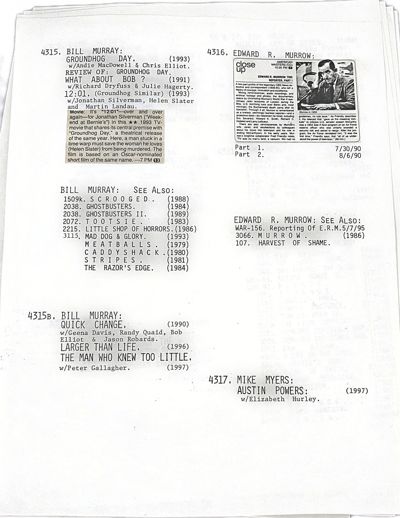
EDWARD R. MURROW: THIS REPORTER, PART I
close up AMERICAN MASTERS (CC) 10:35 PM 2 A two-part profile of the legendary CBS News executive and correspondent (1938-65), who left a legacy of courage, innovation and excellence. Moving reminiscences, audio recordings, and archival footage and photos, the documentary opens by chronicling Murrow's World War II eyewitness radio accounts of London during the Blitz, U.S. bombing runs over Berlin and, most movingly, the Buchenwald death camp after its liberation. Through it all, Murrow is remembered as a tireless, seemingly fearless reporter—and a protective boss—by newsmen he hired, including Eric Sevareid, Howard K. Smith, Richard C. Hattalet and Larry LaSueur. There are also reminiscences by Murrow's wife, Janet, and recollections by colleagues about his move into television and his role in ending McCarthyism. In the early years, Murrow's longtime collaborator Fred Friendly notes, "TV was no man's land, a vacuum. We had no guidelines, no rule book." As Friendly describes it, the telecast that "gave us the intestinal tortitude" to criticize U.S. senator Joseph McCarthy was a 1953 See It Now program on an Air Force reserve officer who was unfairly branded a security risk and asked to resign. After the program, the Air Force reinstated him. "It was the first time," Friendly says, that "all of us understood the power of television." (60 min.)
- Part 1. 7/30/90
- Part 2. 8/6/90